Saturday, March 31, 2012

Futurism


FUTURISM

(Started: 1909)
(Ended: Late 1920s)

            It was an art movement started to be seen in Italy with the publication of a manifesto, Le Futurisme, by Italian poet end editor Filippo Tommaso Marinetti. Marinetti expressed the disappointment of a generation which was tired of being exposed to the Western art tradition. The members declined the art and culture of the past and glorified the modern life – the beauty of speed, technology, and violence. In order to make way for everything new and alive, they wished to destroy old and prestigious forms. They mostly worked in traditional media like painting and sculpture. Inspired by Cubism and photography, the Futurist artists broke motions into small sequences and used a wide range of angles. Though they mostly used sharp colors and flowing brush strokes contributing to the creation of illusion and movement, they could never develop a model for use of color that separated them from the other movements of the period.
            Main representatives were:
     ·         Filippo Tommaso Marinetti
     ·         Giacomo Balla
     ·         Carlo Carra
     ·         Umberto Boccioni
     ·         Gino Severini


Filippo Tommaso Marinetti
            Italian-French artist was one of the most prominent and effective artists among Italian Futurists. He was the ideological founder of the movement who improved the theories of it. Moreover, he introduced the innovations to the style which eventually became a Cubist-like style. Even though he is famous as a Futurist artist, he first experienced with Neo-Impressionism. He developed the dynamic and violent futuristic style only after he met with Cubism. While depicting the physical motion within the modern life to his paintings, he also paid attention to intuition. Hence, while reflecting the modern life neutrally, his works include symbolic, even mythical dimensions which gives the aspect that evokes feelings.
Sources:
Isms: Understanding Art by Stephen Little
http://www.theartstory.org/artist-boccioni-umberto.htm

Tuesday, March 27, 2012

Les Fauves & Die Brücke


FAUVISM

(Started: 1899)
(Ended: 1908)


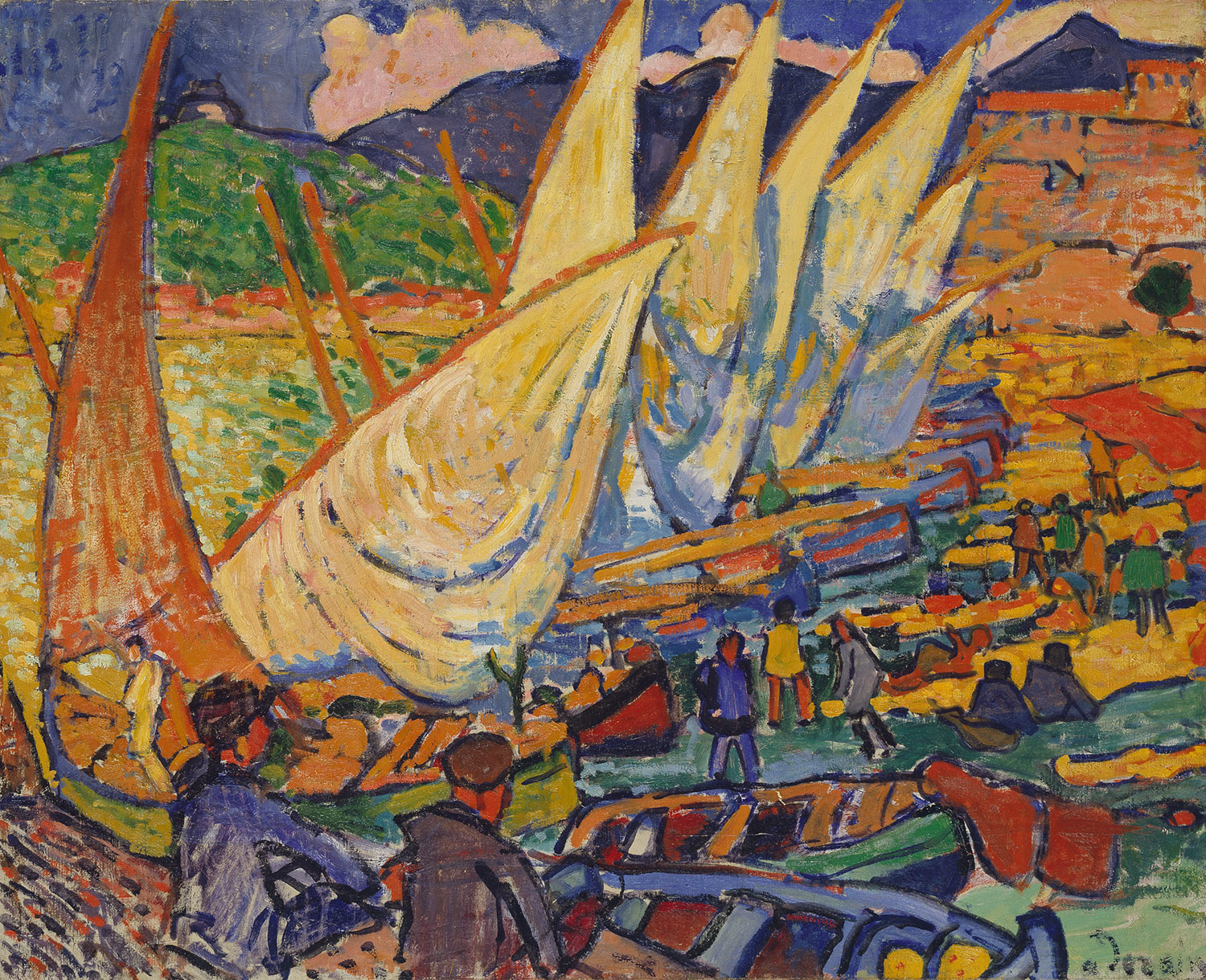
            Fauvism was the first modernist art movement developed in twentieth century in Paris. Inspired by Van Gogh and Gauguin, they were a group of artists sharing similar approaches to nature and interests. Like Impressionist painters, they also preferred traditional subjects such as landscapes, or bourgeois leisure, and while depicting their emotions on to the canvas, they utilized strong, bold colors with thick brushstrokes. Instead of mixing colors to gain new color tones, with reference to their name which means “wild beasts”, they applied the pure, intense colors directly from the tube to the canvas. Fauvists never restricted themselves with the exact colors of subjects, so the sky could be pink, a tree could be orange, or a human face could be green in their paintings. Their works were perceived as brightly patterned surfaces since they did not go into details.
            The Fauvist painters were mainly:

     ·     Henri Matisse
     ·     André Derain
     ·     Maurice de Vlaminck
     ·     Georges Braque


Henri Matisse


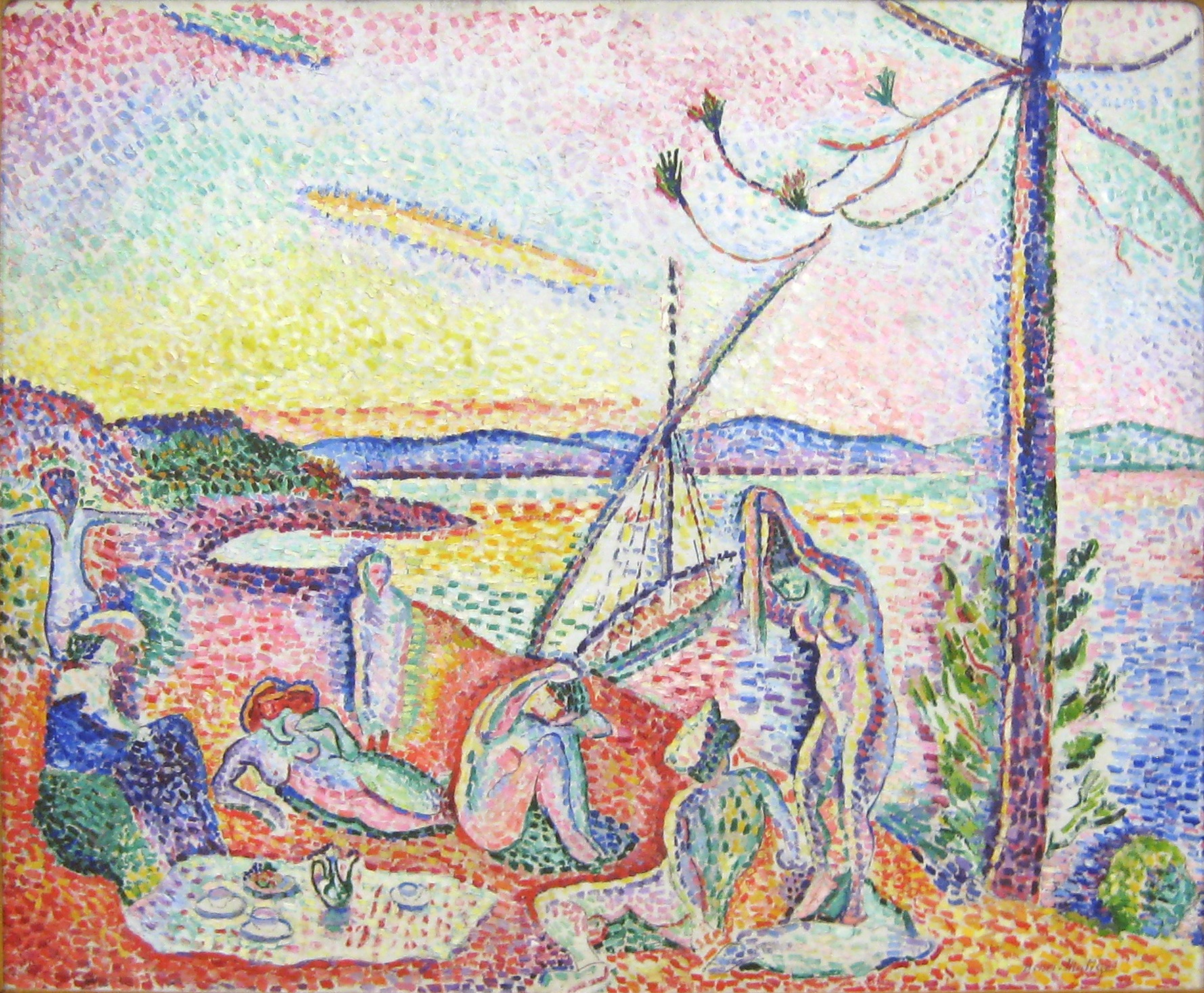
        He was the leader of the Fauves and is known to be the greatest colorist of twentieth century. After experimenting with Post-Impressionist and Neo-Impressionist styles in where three dimensional space was depicted, he searched for a new style characterized by the movement of colors. The effects of arts from other cultures are seen in his art that conveyed the quality of decoration in Modern Art; like flatness of Japanese pieces, or decorative features of Islamic Art. The human figure was primary for his art both in painting and sculpture. He reflected the figure’s character and state of mind in some of his pieces, and in some of them he used the figure as a tool to express his own emotions.

Sources:
           
           http://arteest.org/fauvism-in-art.htm
           http://www.metmuseum.org/toah/hd/fauv/hd_fauv.htm
           http://www.theartstory.org/movement-fauvism.htm# 
           Isms: Understanding Art by Stephen Little 
 

DIE BRÜCKE
(Founded: 1905)

            
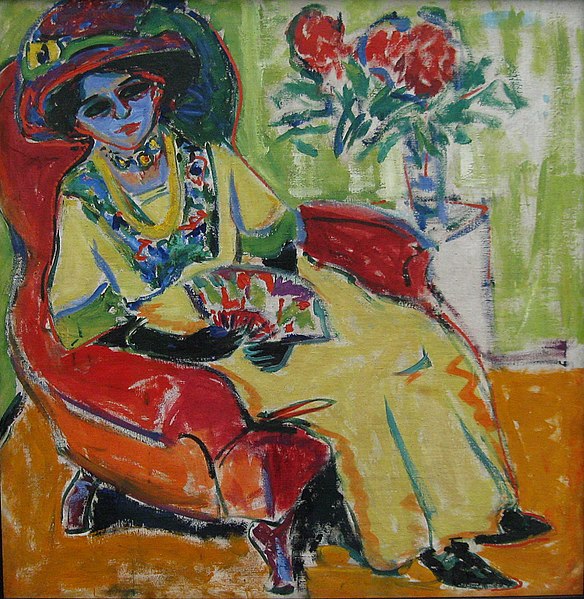
           Die Brücke is an art group formed by German Expressionist artists and founded in Dresden, Germany. The name of the group, the bridge, emphasized their aim which was to create the bridge between the perfect, old German art and the new, better futuristic art. Die Brücke artists believed that their true feelings were restricted by the society that they were living with. Hence, in order to express their emotions freely, they chose a bohemian lifestyle and isolated themselves from the society. Their expressionism focused on investigating German personality and traditions for the purpose of reviving German art. Die Brücke artists, who were impressed by art forms of Africa and Oceania, used colors like the Fauves to express their emotions, and were interested in primitivism again like the Fauves.
            The main members of the groups were:
      
    ·     Ernst Ludwig Kirchner
    ·      Karl Schmidt-Rottluff
    ·      Erich Heckel 
    ·      Fritz Bleyl


Ernst Ludwig Kirchner
            The German artist is known as one of the most skilled and influential one among all German Expressionists. He had inconsistent manners to the past and the present. On one hand, he revived a traditional artistic form which is woodcut printing; yet, on the other hand he refused academic styles and was impressed by the modern city. Human figure was essential in his art, and he depicted the figures mostly in action since he believed that the liveliness and the energy of the human body were best reflected in this way. He was also interested in and inspired by Primitive Art that guided him to a more simplified treatment of form.


Sources:
            Isms: Understanding Art by Stephen Little

Tuesday, March 13, 2012

Expressionism


EXPRESSIONISM
(Started: 1905)
(Ended: 1925)

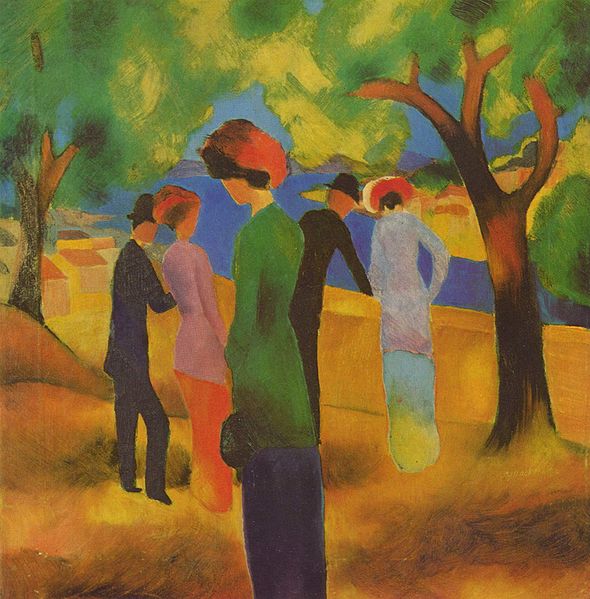
         Expressionism is an artistic style which rose in Germany and seen in literature, painting, architecture, film, and music. While it was against academic standards and Impressionism, it was highly affected by Symbolism, and it supported and focused on the subjectiveness of the artist. In order to express the feelings and anxieties of the artist instead of the authenticity of real world, this subjective form utilized strong, vivid colors, dynamic elements, exaggerated lines, and distorted subjects. They exercised exaggerative and non-stable brush strokes while depicting their subjects on their paintings. Die Brücke and Der Blaue Reiter were the two important groups of artists who were influenced by this movement and spread the principles of it. They strongly believed that the main purpose and function of art was to convey their dense emotions to the world.
Some of the remarkable Expressionist artists:
     ·          Vincent van Gogh
     ·         Edvard Munch
     ·         Salvador Dali
     ·         Pablo Picasso
     ·         Marc Chagal
     ·         Egon Schiele


Vincent van Gogh

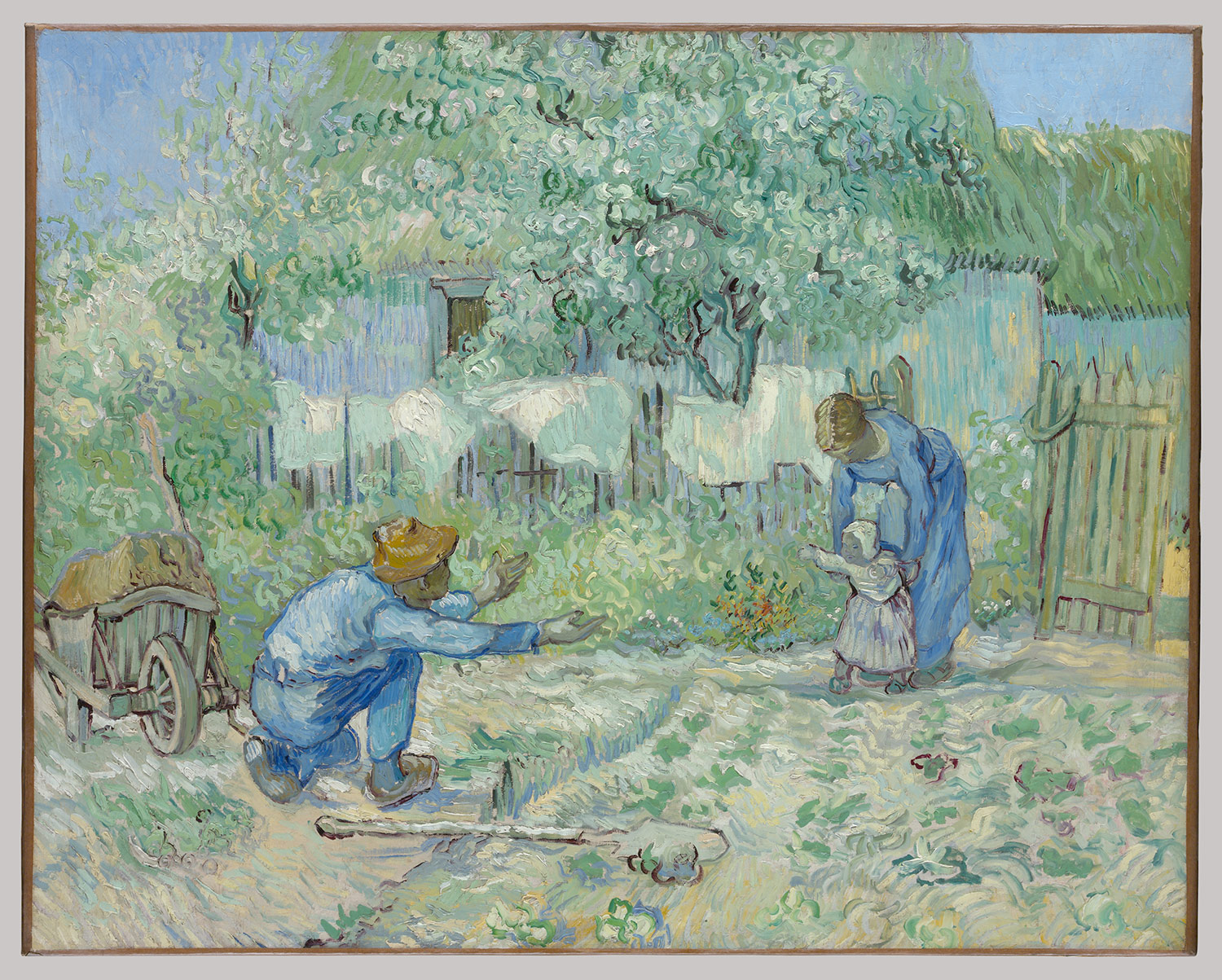
         The Dutch painter was one of the most influential and greatest artists of 19th century despite the fact that he achieved little success during his lifespan. His impressive use of color and blotchy brushwork differentiated his art from others’. Initially he used dark and depressive colors, he started using bold colors after he was influenced by Impressionism and Neo-Impressionism movements. To achieve his purpose which was to express subjective feelings, he utilized symbolic colors, and applied his urges and gestures to his paintings that shared the perception of movement and vibration. While these techniques influenced many artists, they also guided for the principles of Expressionism movement.

Sources:
            http://www.theartstory.org/artist-van-gogh-vincent.htm# 
            http://arteest.org/abstract-expressionism.htm
            http://www.huntfor.com/absoluteig/gogh.htm 
            http://www.huntfor.com/arthistory/C20th/expressionism.htm
            http://www.arteducation.com.au/art-movements/expressionism.php

Saturday, March 10, 2012

Symbolism & Les Nabis


SYMBOLISM

(Started: 1880s)
(Ended: 1910s )

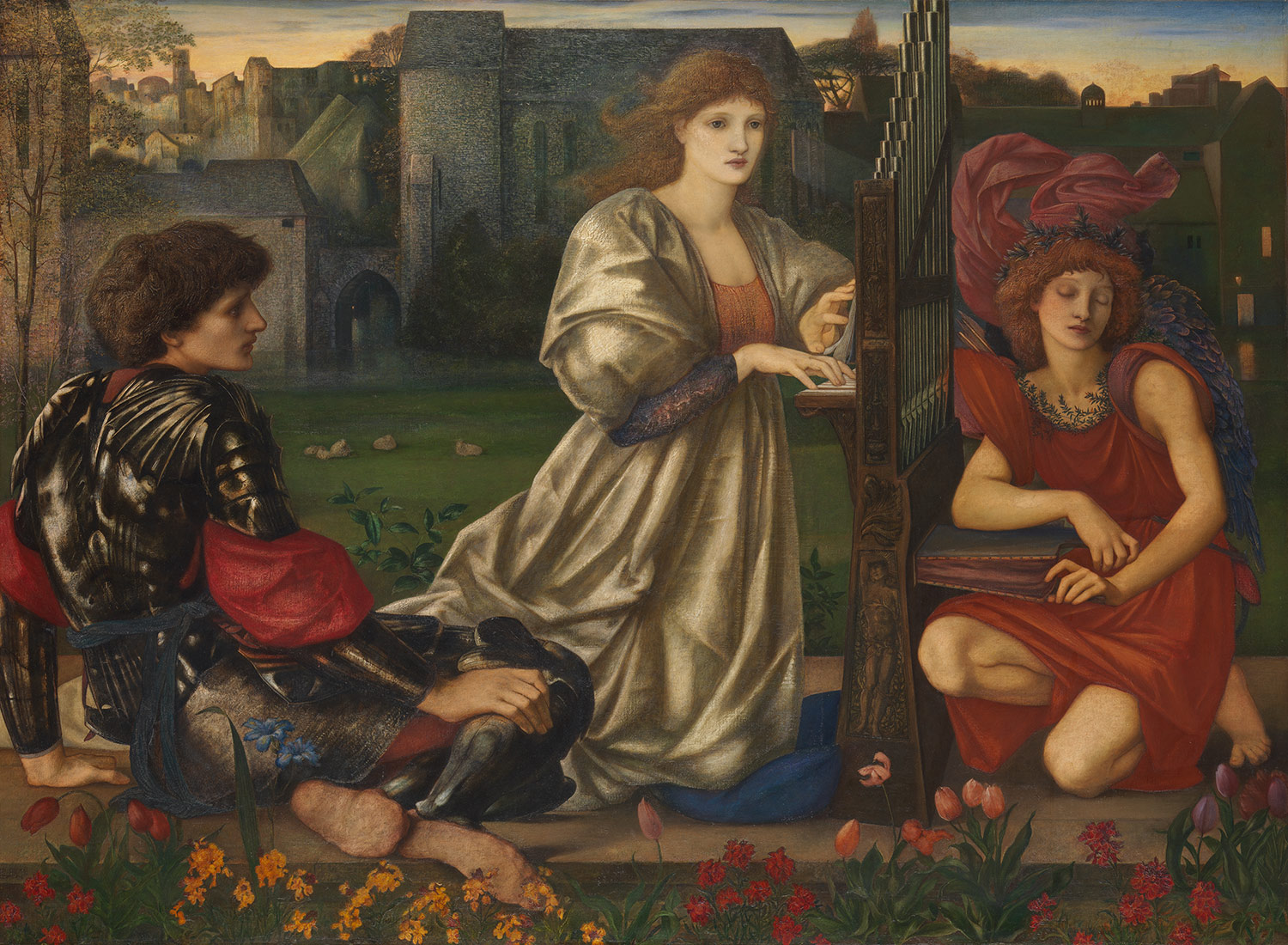
            Symbolism was originally a literary movement emerged in France and Belgium . It was initially seen in poetry and then it spread to other kinds of art. Symbolism was mainly a reaction against the realistic and rationalist approaches seen in Impressionism, and was kind of a continuation of Romanticism where the allegorical points were reflected with the use of mysticism and symbols. Instead of  reflecting the visible reality of nature or daily life directly, Symbolist artists tried to express an idea or a feeling beyond the real world phenomena. In order to achieve this extensive meaning, they utilized highly metaphorical and suggestive ways. By using these symbols in their artworks, the artists also attracted the viewers attention since their indirect pieces provided different meanings and messages for every person. This movement eventually spread to Europe and America.
            Some of the known Symbolists:
·         Paul Gauguin
·         James Ensor
·         Odilon Redon
·         Edward Munch
·         William Blake
Paul Gauguin
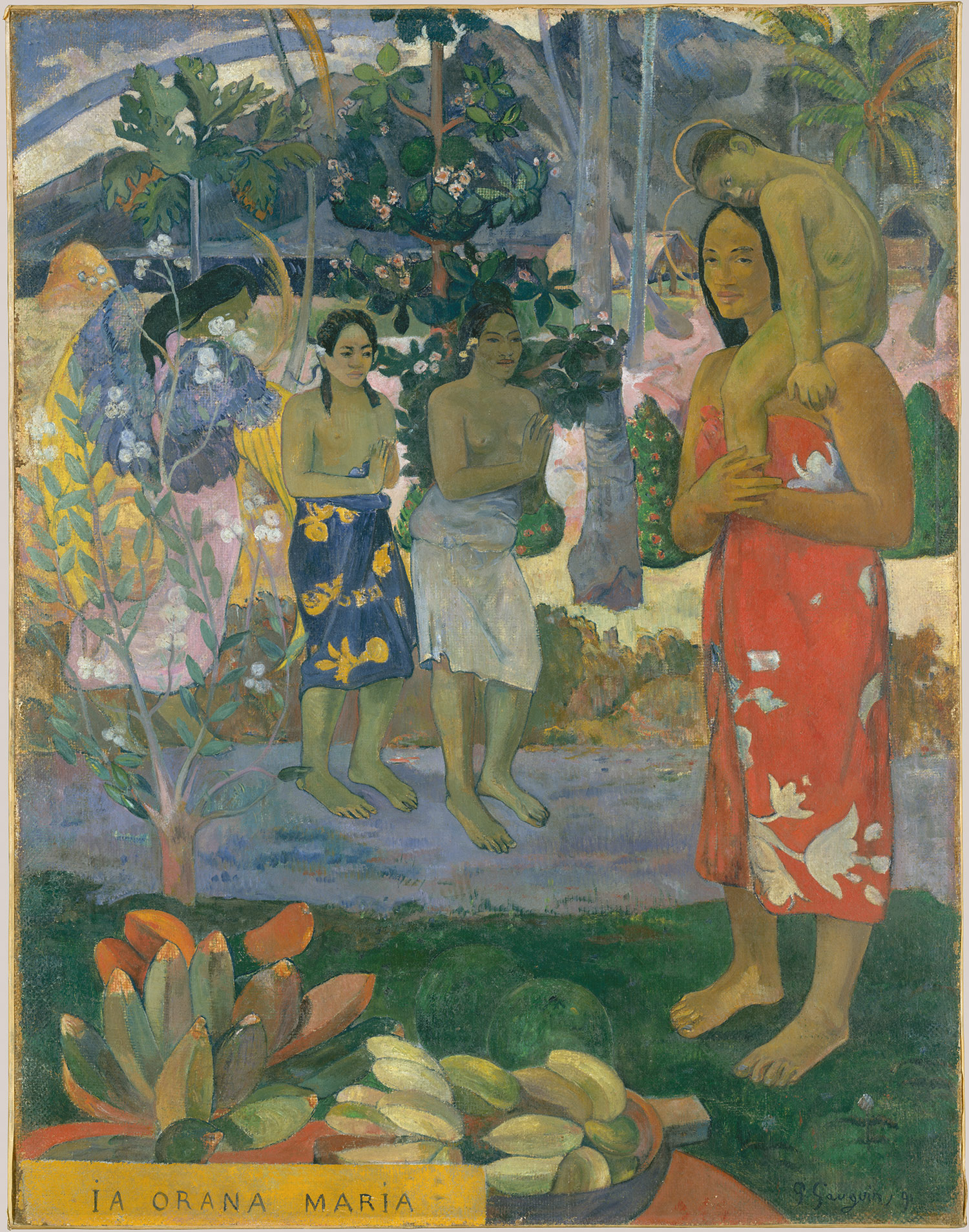
            He was a leading Impressionist artist, however after involving in religious communities and improving himself in color and painting theory, he preferred a rather symbolic style instead of a mirror-like one. What was different about him was that he did not like civilization and tried to escape from it to primitive places. Eventually, in South Seas, he found his own style. So, in Tahiti and Dominique he reflected his individual, obscure and hidden imagery to his exotic pieces of art involving canvases, prints, and sculptures.
Sources:
            http://www.huntfor.com/arthistory/c19th/symbolism.htm
            http://arteest.org/symbolism.htm
  

LES NABIS

(Started: 1891)
(Ended: 1899)

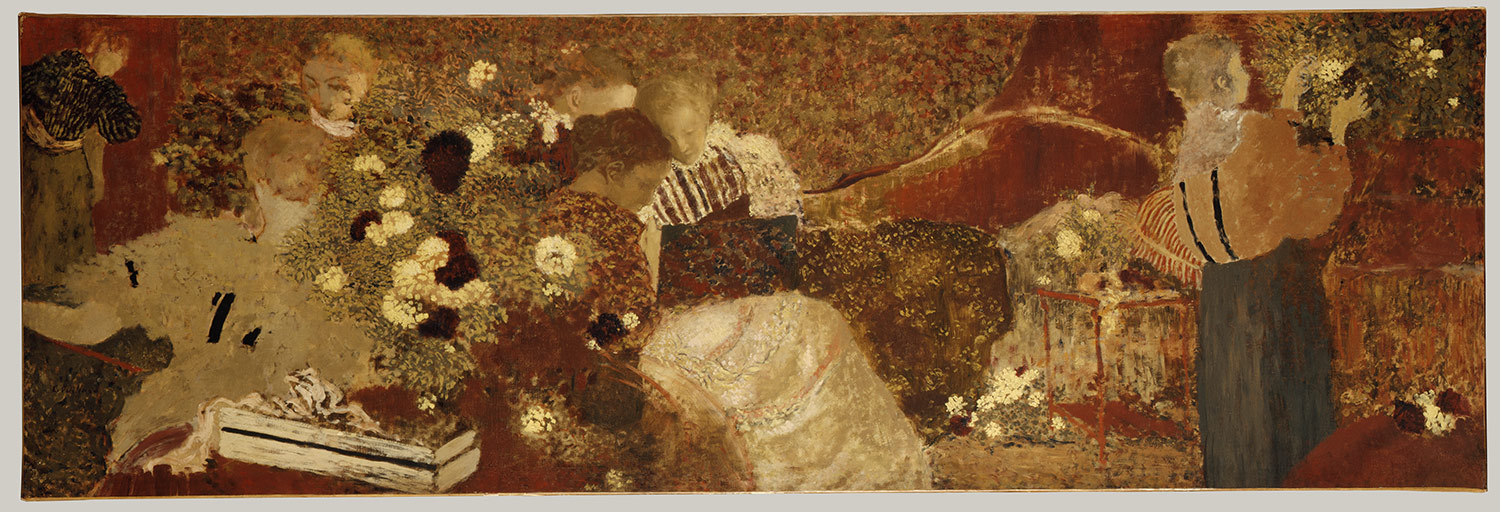
            “Nabis”, meaning “prophets”, was the name of the group of artists who were badly affected from the limitations of the art academy and came together to form such a painting style that focuses on the decoration and makes it the fundamental function of the painting. They were all against the shallow beauty of Impressionism and they worked to destroy the borders between the fine arts and crafts with their richly patterned and ornamented art,
they preferred decorative symbolism to realism. They did not only work oil paintings, but they improved on areas like stained glass art, fans, puppets, furniture, mosaic art, poster art, etc.They also tried to bring narrative meaning to their artworks.
            Some representatives of Les Nabis:
·         Pierre Bonnard
·         Maurice Denis
·         Edouard Vuillard
·         Meyer de Haan
·         Georges Lacombe
Pierre Bonnard
            The French artist was an active painter, poster designer, colorist, and colour-lithographer. He was influenced by Impressionism, and he used Late Impressionism in his paintings. He is majorly known for the paintings in which he mostly depicted his wife getting clean in bath. In his later works representing the Post-Impressionism, he used unnatural colors under the effect of Expressionism. He used color in a highly skillful manner  in his subtle paintings. In his highly patterned and versicolored works, he was in a search for decorative painting form. His paintings progressed through time. Familiarity was the common feature of his paintings, and he was well aware of this. So, everyday life routines constituted  the subjects of his art.
Sources:
            http://www.metmuseum.org/toah/hd/bonn/hd_bonn.htm